Delivery planning
Shipping options for Chinese auto parts buyers
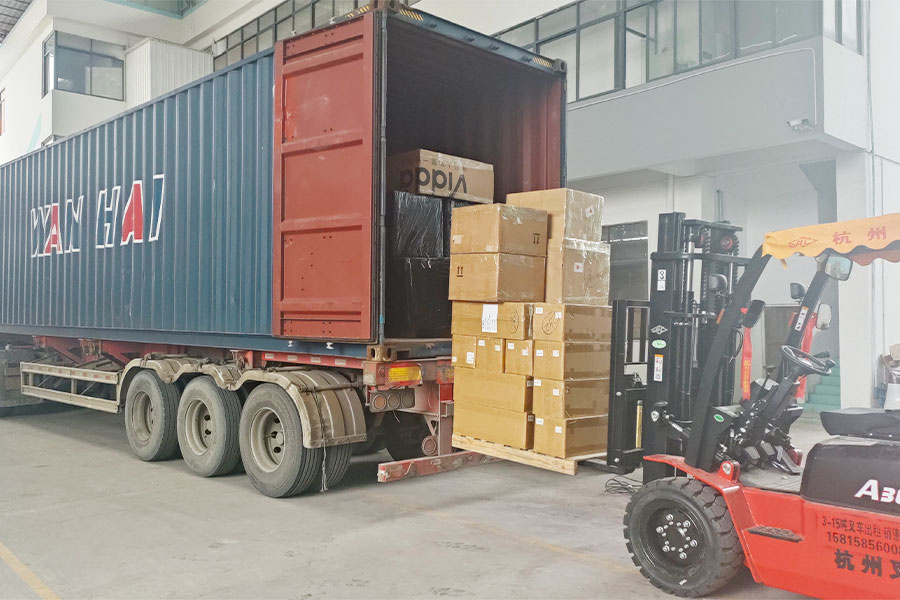
Delivery should follow buyer type and order size. Workshops need speed for urgent repairs, parts shops need mixed-SKU replenishment, and distributors need clean packing lists, cartons and documents for larger shipments.
OE
List
Photo
Proof
Ship
Plan
For workshops
- Small urgent orders
- DHL, express or air where suitable
- Best for repair jobs waiting on one or two parts
For parts shops
- Mixed-SKU cartons
- Air cargo or sea LCL
- Best for stock replenishment without overbuying one SKU
For distributors
- Larger mixed shipments
- Sea freight, FOB, CIF or DAP
- Best for building inventory across brands
Market notes
- UAE: air, sea or distributor consolidation
- Saudi: air or sea for parts shops and distributors
- Qatar: air or Dubai-linked routes for small high-value orders
- Australia: courier, air or sea by SKU type
- Chile/Panama: sea consolidation plus air for urgent lines
Process
Step 1
Confirm buyer type
Workshop, parts shop, distributor, online seller and re-export buyer orders need different shipping choices.
Step 2
Split urgent vs replenishment lines
Small urgent items can move by courier or air. Slow replenishment can consolidate by air cargo or sea.
Step 3
Confirm packing needs
Fragile lamps, bumpers, radiators and mixed-SKU cartons need different protection and labels.
Step 4
Choose trade term
Common options include EXW, FOB, CIF and DAP depending on destination and buyer freight setup.
Step 5
Approve documents
Packing list, invoice and carton details should match the approved order before shipping.
Step 6
Track arrival feedback
Shortage, damage or mismatch reports need photos and line-level notes after arrival.
Freight reality
Honest freight economics
Small international parcels look expensive for structural reasons, not because of a markup. Understanding why is the fastest way to make an order freight-efficient.
Why a small parcel looks high
- Courier and air have a minimum billable weight, so a small parcel bills at the floor, not per real kilo.
- Light, bulky parts bill on volumetric weight, so the box size sets the cost rather than the actual weight.
- Fixed handling and documentation costs cannot be spread across a single-piece shipment.
- A single low-value part sent by international courier can cost 60% or more of its goods value — this is structural and the same for anyone.
How to make a small order efficient
- Consolidate several items in one carton so the fixed cost is shared across the order.
- Fill the space around a large part with small parts that would otherwise ship alone.
- Use sea for non-urgent replenishment — it can cut the per-kilo cost sharply versus air, with the actual gap depending on destination, weight and timing.
- As volume grows, distributors usually end at sea LCL or a full container.
Use this page when
The buyer needs proof before scale.
These pages are meant to reduce first-order friction. They give a buyer a simple path from list, to verification, to packing approval, to shipment feedback.
Delivery questions
Common questions
Can Brace consolidate mixed SKUs?
Yes. Mixed-SKU and mixed-brand consolidation is supported when stock and carton planning allow.
Which shipping method should a workshop use?
Urgent workshop repair lines usually fit courier or air better than sea freight.
Can Brace quote freight with parts?
Yes. Send destination, quantity and rough order size so Jordan can suggest suitable shipping routes.
Why is international freight high for a single part?
It is structural, not a markup. Courier and air have a minimum billable weight, so a small parcel bills at the floor rather than per real kilo; light, bulky parts bill on volumetric weight, so the box size sets the cost; and fixed handling and documentation costs cannot be spread across a single-piece shipment. A single low-value part sent by international courier can cost 60% or more of its goods value, and this is the same for anyone.
How do I make a small order freight-efficient?
Consolidate several items in one carton so the fixed cost is shared across the order, fill the space around a large part with small parts that would otherwise ship alone, and use sea for non-urgent replenishment — sea freight can cut the per-kilo cost sharply versus air, and the actual gap depends on destination, weight and timing. As volume grows, distributors usually move to sea LCL or a full container.
Send the real list. Jordan checks the risk.
Add OE numbers, VIN or old-part photos. The reply will focus on availability, fitment risk, packing and shipping path.
Send on WhatsApp